Shrimp Pad Thai

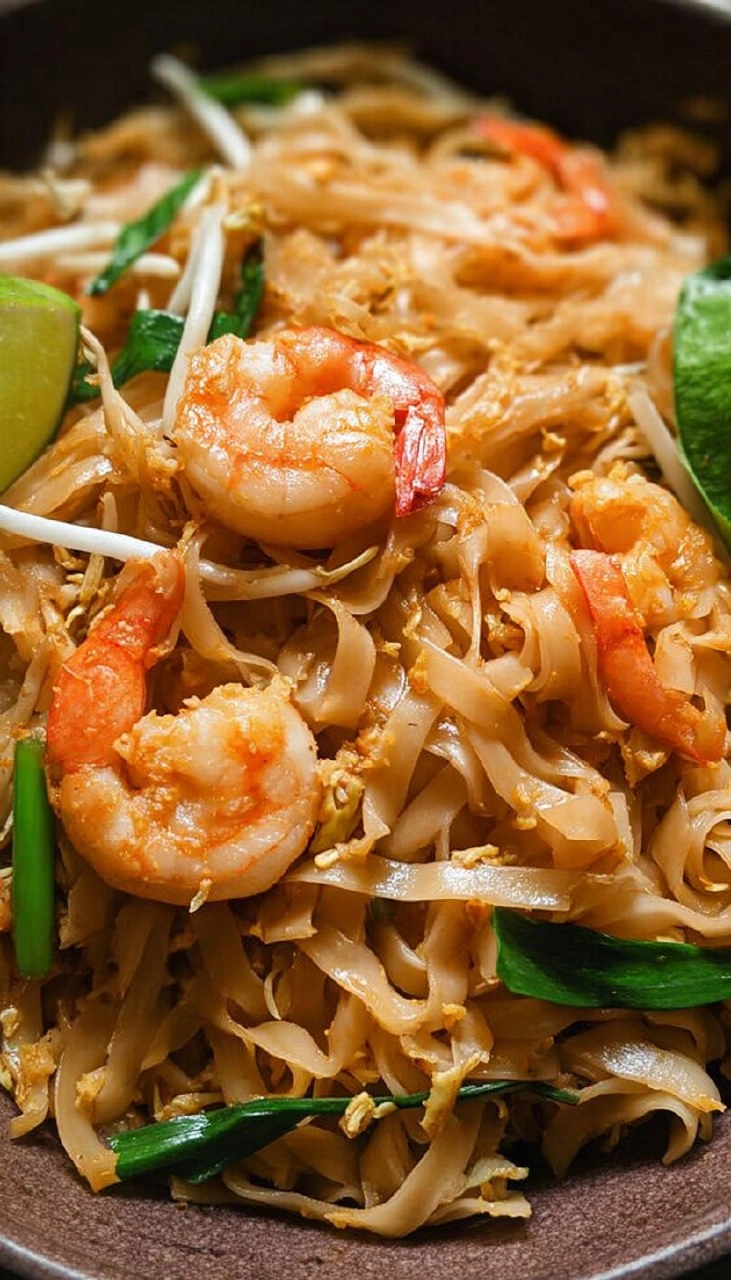
Shrimp Pad Thai is one of those dishes that captures the essence of Thai cuisine: it’s a delicious symphony of flavors and textures that truly satisfies. With its vibrant noodles, succulent shrimp, and a perfect balance of sweet, sour, and savory notes, it’s no wonder this dish is a favorite across the globe. Each bite is a mix of slurpy noodles, crispy peanuts, and fresh greens, creating a delightful culinary experience right at your dinner table.
Table of Contents
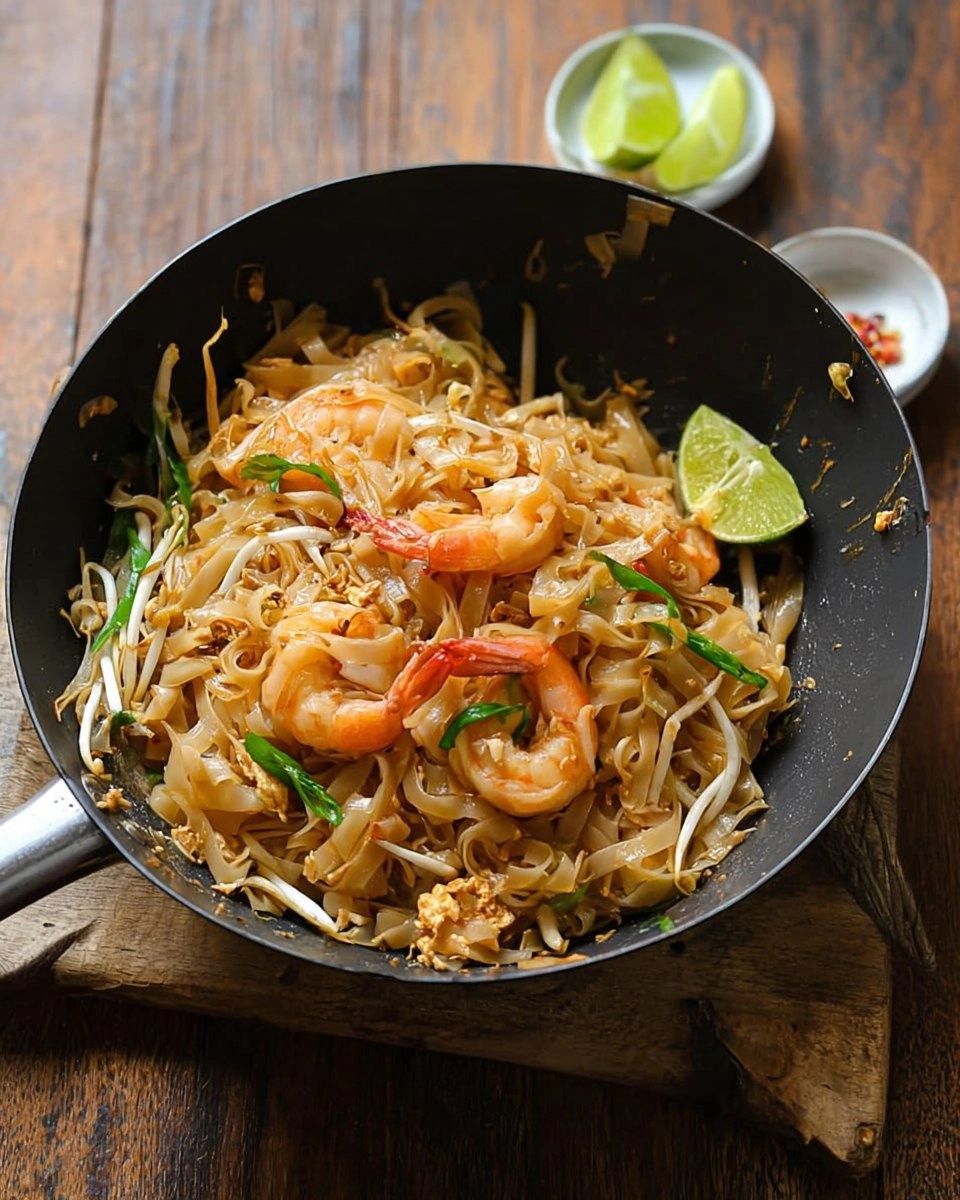
I remember the first time I made Shrimp Pad Thai; it reminded me of the bustling street markets in Bangkok, filled with the aroma of sizzling woks and the chatter of happy diners. It was a simple dish, yet it spoke volumes with its incredible flavors. What’s even better is that this homemade version can be made quickly and easily, perfect for weeknight dinners or when entertaining guests. Plus, you’ll save money compared to those pricey restaurant versions while still impressing everyone at home. So, let’s dive into this delicious recipe and bring some Thai goodness into your kitchen!
Why You’ll Love This Recipe
- Simple & Quick: Ready in about 30 minutes, making it a weeknight winner!
- Irresistible Flavor: The combination of tamarind, lime, and chili creates a flavor explosion with every bite.
- Eye-Catching Appeal: It’s as photogenic as it is tasty, perfect for impressing your dinner guests.
- Flexible Serving: Great for a casual family meal or a celebratory gathering.
- Diet-Friendly Options: Easily adaptable for those looking for gluten-free or low-carb alternatives.
Ingredients You’ll Need
- 8 oz flat rice noodles: These are the backbone of your Pad Thai, soaking up all the delicious flavors.
- 1 lb large shrimp (peeled and deveined): Juicy and tender, shrimp adds a delightful protein element.
- 2 tablespoons vegetable oil: Essential for stir-frying, it helps the ingredients cook evenly.
- 2 cloves garlic (minced): Adds a savory aroma that enhances the overall flavor.
- 2 eggs: These bring richness and help bind everything together.
- 3 tablespoons fish sauce: This salty and umami-packed ingredient is crucial for authentic flavor. If you need a substitute, use soy sauce for a vegetarian twist.
- 1 tablespoon tamarind paste: This provides a unique tang; however, you can swap it with lime juice if it’s unavailable.
- 1 tablespoon sugar: Balances the flavors beautifully.
- 1 cup bean sprouts: For crunch and freshness, and a great way to add some veggies.
- 2 green onions (chopped): These give a nice bit of brightness and color.
- ¼ cup crushed peanuts: For a crunchy topping that adds texture and flavor.
- Lime wedges: A squeeze of lime before serving elevates everything.
How to Make Shrimp Pad Thai
- Soak the Noodles: Start by soaking 8 oz of flat rice noodles in warm water for about 20 minutes until they’re softened but still firm. Drain and set aside. This step is important to ensure even cooking later.
- Prepare the Sauce: In a small bowl, whisk together 3 tablespoons of fish sauce, 1 tablespoon of tamarind paste, and 1 tablespoon of sugar. This mixture brings the iconic Pad Thai flavors together.
- Cook the Shrimp: In a large skillet or wok, heat 2 tablespoons of vegetable oil over medium-high heat. Add 1 lb of shrimp, cooking them until they turn pink and opaque, about 2-3 minutes per side. Remove and set aside.
- Scramble the Eggs: In the same skillet, crack in 2 eggs and scramble them gently until just set. Their creamy texture will blend nicely into the dish.
- Add Garlic: Stir in 2 cloves of minced garlic, sautéing for about 30 seconds until fragrant. This brings a delicious aroma to your kitchen.
- Toss in the Noodles: Add the soaked rice noodles to the pan, quickly followed by the prepared sauce. Toss everything together, ensuring the noodles are well-coated and heated through, which should take about 2 minutes.
- Mix in Veggies: Finally, fold in 1 cup of bean sprouts and 2 chopped green onions, cooking for an additional minute just to warm up the veggies.
- Add Shrimp Back: Return the cooked shrimp to the skillet, tossing carefully to combine everything. Once everything is heated through, remove from heat.
- Garnish and Serve: Serve your Shrimp Pad Thai hot, garnished with ¼ cup of crushed peanuts and lime wedges on the side for squeezing over the top. This brightens the dish wonderfully!
Storing & Reheating
To store leftover Shrimp Pad Thai, place it in an airtight container in the refrigerator, where it will keep for up to 3 days. If you want to freeze it, ensure it’s well-packed in a freezer-safe container and try to eat it within 3 months for the best quality. When reheating, warm it on the stove over medium heat with a splash of water for moisture, stirring frequently until heated through. Keep in mind that the noodles might become a tad softer upon reheating, but a bit of lime juice can refresh the flavors beautifully.
Chef’s Helpful Tips
- If the noodles are sticky after soaking, rinse them gently under cold water before cooking.
- For bold flavor, consider marinating the shrimp in a little bit of fish sauce and lime juice beforehand.
- Timing is key; have all ingredients prepped and within reach to stir-fry quickly.
- Don’t overcook the bean sprouts; they should remain crunchy for texture.
- Feel free to add any leftover vegetables you have on hand, like bell peppers or carrots, for added nutrition and flavor.
- Make it a family affair! Get kids involved in assembling their own servings with desired toppings.
Whether it’s the sizzling aromas filling your kitchen or that first tantalizing bite, making Shrimp Pad Thai at home is an experience in itself. The balance of flavor, texture, and just the right touch of freshness makes it a meal that’s both satisfying and exciting. Don’t hesitate to adjust the ingredients to suit your preferences; experimenting is part of the fun! Enjoy every bite and savor the joy of this delightful dish.
Recipe FAQs
Can I use chicken or tofu instead of shrimp?
Absolutely! This Shrimp Pad Thai recipe is incredibly adaptable. You can easily substitute shrimp with chicken or tofu for a vegetarian option. Just remember that cooking times may vary slightly, especially for chicken, which should be cooked thoroughly until no longer pink.
How can I make this Pad Thai gluten-free?
To make a gluten-free version, simply swap the regular fish sauce with a gluten-free soy sauce or tamari. Also, ensure to use gluten-free rice noodles, which are typically readily available in stores.
Can I make this recipe ahead of time?
While it’s best enjoyed fresh, you can certainly make the sauce and prep the ingredients ahead of time. Just store them separately in the fridge until you’re ready to cook. This way, you can have a speedy meal when needed!
What can I serve with Shrimp Pad Thai?
Shrimp Pad Thai is often a complete meal on its own, but if you’d like to add some sides, consider a fresh cucumber salad or a light soup to balance the meal. These will complement the flavors wonderfully!
PrintMore Main Dishes Recipes
Did You Enjoy Making This Recipe? Please rate this recipe with ⭐⭐⭐⭐⭐ or leave a comment.
📖 Recipe Card
Shrimp Pad Thai
- Prep Time: N/A
- Cook Time: N/A
- Total Time: 0 hours
- Yield: 4 servings 1x
- Category: Main Dishes
- Method: Stir-fry
- Cuisine: Thai
Description
Enjoy a delicious Shrimp Pad Thai that brings together fresh shrimp, soft rice noodles, and a zesty sauce. This recipe is quick to prepare, making it a great choice for a satisfying dinner or a delightful comfort meal. Perfect for those who appreciate homemade flavors!
Ingredients
- 8 oz flat rice noodles
- 1 lb large shrimp (peeled and deveined)
- 2 tablespoons vegetable oil
- 2 cloves garlic (minced)
- 2 eggs
- 3 tablespoons fish sauce
- 1 tablespoon tamarind paste
- 1 tablespoon sugar
- 1 cup bean sprouts
- 2 green onions (chopped)
- ¼ cup crushed peanuts
- Lime wedges
Instructions
- Soak the rice noodles in hot water for 30-40 minutes until mostly softened. Mix the tamarind purée, fish sauce, and light brown sugar and set aside for the sugar to dissolve.
- In a large wok, heat 1 tbsp of vegetable oil and add the shrimp, cooking until they turn pink on each side. Remove from the pan and set aside in a bowl.
- In the same wok, add another tbsp of oil and incorporate the chopped shallot, minced garlic, and chili flakes. Stir-fry for a minute, then add the drained noodles with some water still clinging to them along with the mixed sauce. Cook while stirring for 1-2 minutes until the noodles are soft but slightly chewy.
- Move the noodles to one side of the wok and crack 2 eggs into the empty space, allowing them to cook for 30 seconds. Pile the noodles on top and cook a few seconds longer until the eggs are set. Toss lightly to combine.
- Add the bean sprouts, green onions, cooked shrimp, and half of the peanuts to the wok, tossing until the onions wilt slightly but the bean sprouts remain crunchy. Remove from heat and serve with lime wedges and remaining peanuts.
Notes
Adjust the amount of chili flakes to suit your heat preference.
For an even more authentic flavor, use fresh lime juice on the noodles before serving.
Substitute chicken or tofu for shrimp if desired.
Nutrition
- Serving Size: 1 serving
- Calories: 450
- Sugar: 2g
- Sodium: 850mg
- Fat: 15g
- Saturated Fat: 3g
- Unsaturated Fat: 10g
- Trans Fat: 0g
- Carbohydrates: 55g
- Fiber: 3g
- Protein: 20g
- Cholesterol: 200mg